The 45+ Books James Altucher Recommends Reading
It’s always a good idea to learn from smart people and know which books they recommend.
James Altucher has founded or co-founded over 20 companies and written over 10 books.
This is someone you want to learn from.
One of the most important things to do in life is to remain a student and learn from people smarter than you. That's why it's a good idea to read books that smart people, such as Stephen King or Ernest Hemingway, recommend.
I recently learned about another smart person, James Altucher, and dived deeply into his articles, podcasts and books.

For those unfamiliar with Altucher, here is a short bio:
He is an American hedge fund manager, entrepreneur, best-selling author, venture capitalist, and podcaster. He studied at Cornell University and Carnegie Mellon University, and founded or co-founded more than 20 companies. He’s also written over 10 books. Here are a few of his best-selling books:


Now that’s an impressive resume.
Altucher attributes part of his success to reading many books. In fact, here is what he said:
“For each one of these books: either they made me a better person, or I felt, even as I was reading them, that my IQ was getting better. Or, in the case of fiction, I felt like my writing was getting better by reading the book.
Or I simply escaped to another world. I like to travel to other worlds. To pretend to be a character in someone else’s story.
I think if you can find even one takeaway in a book that you remember afterwards, then it’s a great book.
”
So without further ado, here is his list of books worth reading:
“Antifragile” by Nassim Taleb (and “The Black Swan” and “Fooled by Randomness” by him)
“Jesus’ Son” by Denis Johnson (a collection of short stories, not a religious book)
“The Rational Optimist” by Matt Ridley (and the Evolution of Everything by him)
“The Surrender Experiment” by Michael Singer (along with The Untethered Soul by him)
“How We Got to Now” by Stephen Johnson (and his book on ideas)
“The Power of Now” by Eckhart Tolle (and “Practicing the Power of Now” by him)
“What We Talk About When We talk about Running” by Haruki Murakami

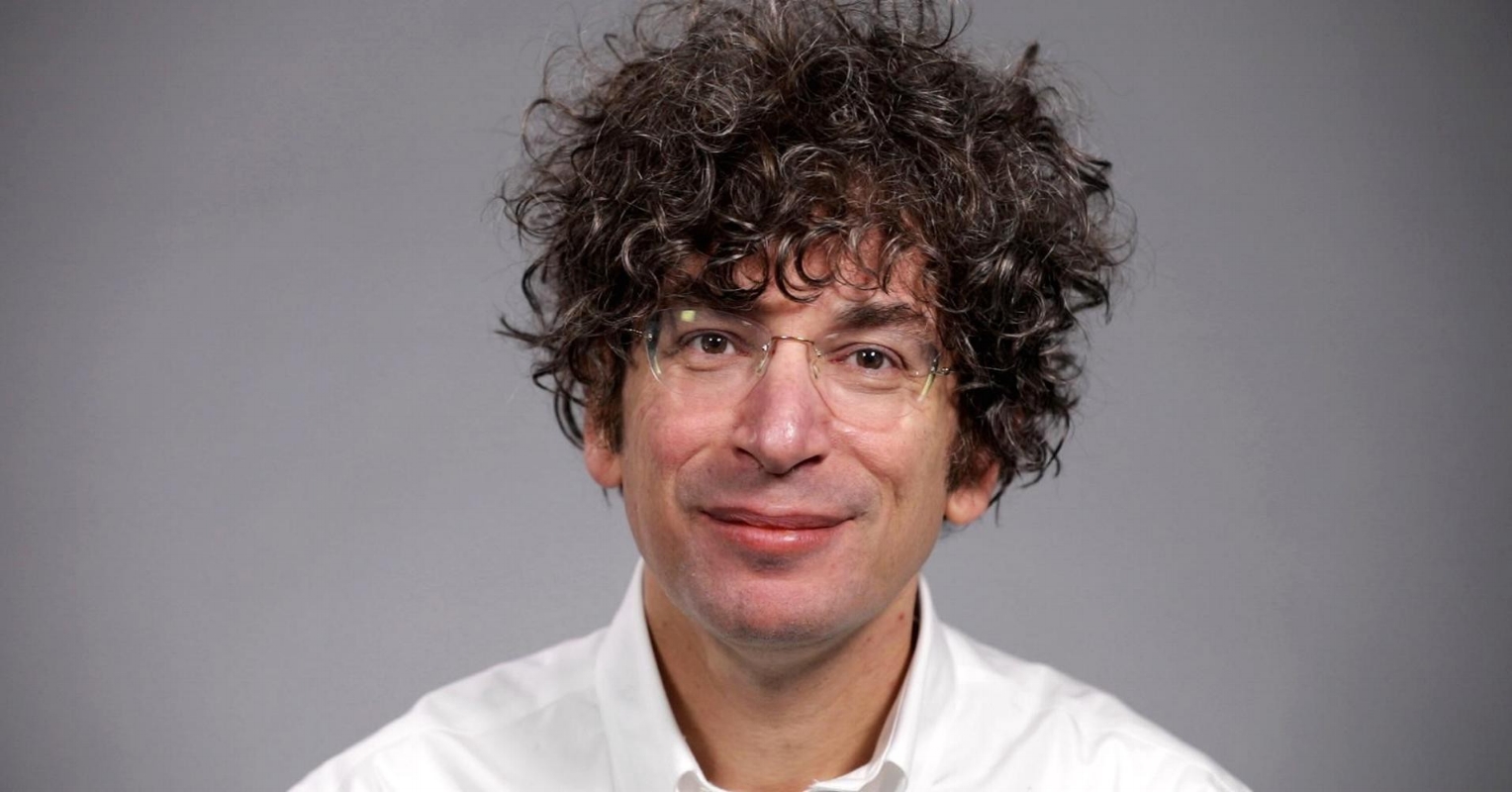
Serial entrepreneur and best-selling author James Altucher.


"Everyone worries. 20 million people in the US suffer from some sort of untreated clinical anxiety disorder.
Worry is ok. It helps me make deadlines, care about people, care about improving myself. But “toxic worry” is when things spin out of control.
When you wake up at 3am and can’t get that thought out of your head: why did they do that? How will I live? Does she/he love me? And on and on and on and on.
The book, “Worry” helped me."


"First, Judd is one of the most comic directors of all time. So anything he says about comedy is a must-read.
Second, why comedy?
Learning the skills of standup comedy has helped me in so many other areas of my life: insights into life, dealing with others, overcoming fears, negotiating, sales, influence, confidence, and least of all…humor."


"Just look at the table of contents:


"The idea: if you have “skin in the game” on major life decisions (and even smaller ones), that means you take both risk and reward on your decisions.
You’ll do more research, you’ll take better care of yourself to have the energy to make good decisions and be creative, and ultimately you will live a more real and brave life.
The title alone is worth it. And the rest of the book is a good read."
"It’s about when I went totally broke and lost everything and had to bounce back.
It doesn’t tell you how to bounce back. It describes how I bounced back.
How I internally had to strengthen physically, emotionally, creative, and spiritually.
But also it’s about the most important topic: Freedom.
We only get one life to be free, to make the decisions we want (not in a selfish way, but in a way that can allow us to create the life with the biggest impact).
The path to freedom, for me, was learning to “choose myself”: not allow anyone else to make the decisions that would define my happiness and well-being.
The actions we make today, become our biography tomorrow."
Altucher ends his article by saying:
“When I read any of these books, I feel like a vampire. Like I’m sucking all of the blood out of the author. I’m stealing his soul and consuming it.
Thank you, author, for giving me your soul. For giving me immortality.
That’s why reading is great. It’s like I’ve lived 100s of lives as well as just my own.
One of these days someone will eat my soul also. I hope I have enough seasoning to taste good.”
And I agree.
For literally 5 bucks and a few hours of time, you get an enormous amount of valuable information that can help you in life. It’s practically high-robbery. So take advantage of this and read as much as you can.
Also, if you want to check out my list of recommended books, you can find that here.
If you enjoyed this article, consider supporting our site or signing up for our monthly newsletter. Thank you!
*The links of this site are Amazon affiliate links. Amazon pays me a small fee from each purchase which helps keep this website up and running ad-free. It does not affect the price of your purchase in any way.*

Alex and Books Shop Is Now Open
I’m opening up a shop with cool book-related merch.
Three different ways you can help support A&B.
Hey Everyone!
As I've mentioned in past articles, running a website can be costly and if you add in the price of books it adds up–total cost for last year was about $500. However, I want to continue to create educational content that is free to readers and doesn't have ads, because lets be honest no one likes ads and free is always great.
So this creates a dilemma, how can one break even if they give their content away for free and don't use ads to generate income?
Answer: Donations, Merch & Books.
I've already created a donate tab, and received a few donations (thank you for that, you guys are awesome). If you've read an interesting article or found a great book on this site and want to give something back–every dollar counts–you can do so by clicking on the button below.
Another great way to support is by visiting the Alex & Books shop.
You can purchase bookmarks at the shop–they are made from 100% recycled paper and have an inspiring quote on the front. So far I only have bookmarks but I thinking about putting up more book-related gear (if you have an suggestions, leave a comment below!).
The back on the bookmark is blank so you can use it to jolt down notes or write down important information. It's also very reasonably priced and I'm giving free shipping for people in the U.S.!

Get these cool bookmarks by visiting the A&B shop!
Lastly, you can support this site by buying books!
Yes, it's true. The links on this website are Amazon affiliate links; that means Amazon pays me a portion of each purchase made when someone uses my links to get to their site. Best part is that it won't affect the price of your purchase!
Here's an example.
Lets say you were going to buy two books for $15. If you don't use my link, Amazon gets the full $15. However, if you click on one of my links, Amazon gets $14 and they give me $1. It isn't much, but if everyone used my links, it would add up!
If you're looking for a new book to read, check out my list of great books below!
Please consider supporting this site and sharing this article. Thank you everyone!
Best regards,
Alex Wiec
If you enjoyed this article, consider supporting our site or signing up for our monthly newsletter. Thank you!
Reader freebies:

How Much I've Spent on Books in 2017
In 2017 I read 35 books, but I actually bought 52 books.
Find out how much each book cost and how much I ended spending on books last year.
In 2017 I read a total of 35 books, but I actually bought 52 books. I always try to buy used books to save money and the only book I've ever pre-ordered was "12 Rules for Life" by Jordan Peterson. By buying used books, I figured I'd save a ton of money and the amount I spent on books would be quite small.

A 'few' of my books.
To test this hypothesis, I decided to review all of my book purchases to find out exactly how much I've spent on books in 2017. Here is the cost of each book I've bought last year:
$6.44: The Man Who Mistook His Wife For A Hat: And Other Clinical Tales
$8.81: Man's Search for Meaning
$9.91: The War of Art: Break Through the Blocks and Win Your Inner Creative Battles
$8.29: The Gulag Archipelago Abridged: An Experiment in Literary Investigation (P.S.)
$5.05: Ernest Hemingway on Writing
$5.98: The First Five Pages: A Writer's Guide To Staying Out of the Rejection Pile
$13.40: The Emperor's Handbook: A New Translation of The Meditations
$11.41: The Denial of Death
$4.99: American Sniper: The Autobiography of the Most Lethal Sniper in U.S. Military History
$8.05: No More Mr Nice Guy: A Proven Plan for Getting What You Want in Love, Sex, and Life
$8.46: Competition Demystified: A Radically Simplified Approach to Business Strategy
$5.99: The Red Circle: My Life in the Navy SEAL Sniper Corps and How I Trained America's Deadliest Marksmen
$6.66: Perennial Seller: The Art of Making and Marketing Work that Lasts
$4.48: On Writing Well: The Classic Guide to Writing Nonfiction
$12.19: War and Peace (Vintage Classics)
$5.48: The Art of War for Writers: Fiction Writing Strategies, Tactics, and Exercises
$11.04: Trust Me, I'm Lying: Confessions of a Media Manipulator
$10.39: The Divine Comedy: Inferno; Purgatorio; Paradiso (Everyman's Library)
$8.95: Without Conscience: The Disturbing World of the Psychopaths Among Us
$6.13: Einstein's Dreams
$14.64: Pre-Suasion: A Revolutionary Way to Influence and Persuade
$5.99: The Innovators: How a Group of Hackers, Geniuses, and Geeks Created the Digital Revolution
$8.88: The Hero with a Thousand Faces (The Collected Works of Joseph Campbell)
$5.11: Purple Cow, New Edition: Transform Your Business by Being Remarkable
$5.99: How to Read Novels Like a Professor: A Jaunty Exploration of the World’s Favorite Literary Form
$6.79: What Every BODY is Saying: An Ex-FBI Agent’s Guide to Speed-Reading People
$10.46: Thus Spoke Zarathustra: A Book for Everyone and No One (Penguin Classics)
$7.24: 1984 (Signet Classics)
$11.97: Walt Disney: The Triumph of the American Imagination
$10.00: The Effective Executive: The Definitive Guide to Getting the Right Things Done
$11.35: Influence: The Psychology of Persuasion, Revised Edition
$6.29: Good to Great: Why Some Companies Make the Leap and Others Don't
$5.05: Tender Is the Night
$7.99: The Curious Case of Benjamin Button and Other Jazz Age Stories (Penguin Classics)
$5.33: David and Goliath: Underdogs, Misfits, and the Art of Battling Giants
$3.57: Rich Dad Poor Dad: What The Rich Teach Their Kids About Money That the Poor and Middle Class Do Not!
$7.38: Modern Romance
$5.35: 1984
$8.98: The Black Swan: The Impact of the Highly Improbable (Incerto)
Total Cost: $414.61
Interesting Figures:
Number of books purchased: 52
Average book price: $7.97
Most expensive book: $17.98: The New Encyclopedia of Modern Bodybuilding
Least expensive book: $1.79: The Storytelling Animal: How Stories Make Us Human

More books!
If you're interested in learning about my favorite books of 2017, you can find that here.
Keep in mind that the cost listed is just the total cost of the books and does not include shipping. In total, I think it’s safe to say that I’ve spent ~$500 or so on books in 2017.
As you can see the cost of books adds up, throw in the cost of maintaining a website and it comes out to several hundreds dollars a year. However, I truly enjoy reading and writing and want to continue sharing awesome lessons and knowledge with everyone. Thus, I ask viewers to consider donating to help keep this site up and running, every dollar counts!
If I’m able to turn this into a full-time career, I’d be able to read a lot more books and share many more important lessons learned from books. I also promise to keep the site ad-free and strive to provide interesting and educational content.
If you’re not able to donate but still want to support the cause, sign up for our newsletter here and follow AlexandBooks on social media (Facebook, Twitter, Instagram).
Thanks everyone and continue to read books and be awesome! -Alex
*PS: The links on my website are Amazon affiliate links, Amazon pays me a small fee for each item purchased. Important Fact: It doesn't affect the price of your purchase at all, and it helps keep this website up and running ad-free.*
If you enjoyed this article, consider supporting our site or signing up for our monthly newsletter. Thank you!
Reader freebies:

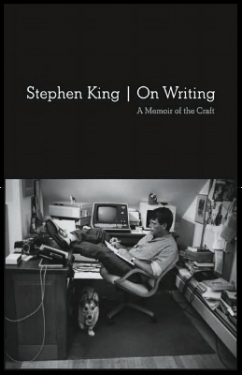
The 150+ Books Stephen King Recommends Reading
At the end of “On Writing” Stephen King lists 150+ books he believes are worth reading.
Check out the list and let me know whether or not you agree with his choices.
I used to think that I read a lot of books; last year I read 35 and this year I’m on track to read 42 books. However, when I read Stephen King’s book “On Writing” I began to think otherwise. In his book, King writes, “I’m a slow reader, but I usually get through seventy or eighty books a year.”
Let me repeat that.
He says he’s a SLOW READER, but he still gets through 70-80 BOOKS A YEAR.
At this point, you might be wondering why a best-selling author like King reads so many books. Well, it’s because he believes reading a lot makes you a better writer. King writes that every book has its own lessons, and for writers that don’t have time to read, King says “If you don’t have time to read, you don’t have the time to write” (pg 147).

Read my review of "On Writing" here.
At the end of “On Writing” King lists over a hundred books that are worth reading. It’s a long list, but an interesting one at the same time. So without further ado, here is King’s list of books worth reading:
Abrahams, Peter: A Perfect Crime
Abrahams, Peter: Lights Out
Abrahams, Peter: Pressure Drop
Abrahams, Peter: Revolution #9
Agee, James: A Death in the Family
Bakis, Kirsten: Lives of the Monster Dogs
Barker, Pat: Regeneration
Barker, Pat: The Eye in the Door
Barker, Pat: The Ghost Road
Bausch, Richard: In the Night Season
Blauner, Peter: The Intruder
Bowles, Paul: The Sheltering Sky
Boyle, T. Coraghessan: The Tortilla Curtain
Bryson, Bill: A Walk in the Woods
Buckley, Christopher: Thank You for Smoking
Carver, Raymond: Where I’m Calling From
Chabon, Michael: Werewolves in Their Youth
Chorlton, Windsor: Latitude Zero
Connelly, Michael: The Poet
Conrad, Joseph: Heart of Darkness
Constantine, K.C.: Family Values
DeLillo, Don: Underworld
DeMille, Nelson: Cathedral
DeMille, Nelson: The Gold Coast
Dickens, Charles: Oliver Twist
Dobyns, Stephen: Common Carnage
Dobyns, Stephen: The Church of Dead Girls
Doyle, Roddy: The Woman Who Walked into Doors
Elkin, Stanley: The Dick Gibson Show
Faulkner, William: As I Lay Dying
Garland, Alex: The Beach
George, Elizabeth: Deception on His Mind
Gerritsen, Tess: Gravity
Golding, William: Lord of the Flies
Gray, Muriel: Furnace
Greene, Graham: A Gun for Sale
Greene, Graham: Our Man in Havana
Halberstam, David: The Fifties
Hamil, Pete: Why Sinatra Matters
Harris, Thomas: Hannibal
Haruf, Kent: Plainsong
Hoeg, Peter: Smilla’s Sense of Snow
Hunter, Stephen: Dirty White Boys
Ignatius, David: A Firing Offense
Irving, John: A Widow for One Year
Joyce, Graham: The Tooth Fairy
Judd, Alan: The Devil’s Own Work
Kahn, Roger: Good Enough to Dream
Karr, Mary: The Liar’s Club
Ketchum, Jack: Right to Life
King, Tabitha: Survivor
King, Tabitha: The Sky in the Water
Kingsolver, Barbara: The Poisonwood Bible
Krakauer, Jon: Into Thin Air
Lee, Harper: To Kill a Mockingbird
Lefkowitz, Bernard: The Ignored
Maclean, Norman: A River Runs Through It and Other Stories
Maugham, W. Somerset: The Moon and Sixpence
McCarthy, Cormac: Cities of the Plain
McCarthy, Cormac: The Crossing
McCourt, Frank: Angela’s Ashes
McDermott, Alice: Charming Billy
McDevitt, Jack: Ancient Shores
McEwan, Ian: Enduring Love
McEwan, Ian: The Cement Garden
McMurtry, Larry: Dead Man’s Walk
McMurtry, Larry, and Diana Ossana: Zeke and Ned
Miller, Walter M.: A Canticle for Leibowitz
Oates, Joyce Carol: Zombie
O’Brien, Tim: In the Lake of the Woods
O’Nan, Stewart: The Speed Queen
Ondaatje, Michael: The English Patient
Patterson, Richard North: No Safe Place
Price, Richard: Freedomland
Proulx, Annie: Close Range: Wyoming Stories
Proulx, Annie: The Shipping News
Quindlen, Anna: One True Thing
Rendell, Ruth: A Sight for Sore Eyes
Robinson, Frank M.: Waiting
Rowling, J.K.: Harry Potter and the Chamber of Secrets
Rowling, J.K.: Harry Potter and the Prisoner of Azkaban
Rowling, J.K.: Harry Potter and the Sorcerer's Stone
Russo, Richard: Mohawk
Schwartz, John Burnham: Reservation Road
Seth, Vikram: A Suitable Boy
Shaw, Irwin: The Young Lions
Slotkin, Richard: The Crater
Smith, Dinitia: The Illusionist
Spencer, Scott: Men in Black
Stegner, Wallace: Joe Hill
Tartt, Donna: The Secret History
Tyler, Anne: A Patchwork Planet
Vonnegut, Kurt: Hocus Pocus
Waugh, Evelyn: Brideshead Revisited
Westlake, Donald E.: The Ax
And if this list of 100 books to read is too short, King added an updated list to his new edition of “On Writing.” So here are 50+ more books that King recommends:
Abrahams, Peter: End of Story
Abrahams, Peter: The Tutor
Adiga, Aravind: The White Tiger
Atkinson, Kate: One Good Turn
Atwood, Margaret: Oryx and Crake
Berlinski, Mischa: Fieldwork
Black, Benjamin: Christine Falls
Blauner, Peter: The Last Good Day
Bolano, Roberto: 2666
Carr, David: The Night of the Gun
Casey, John: Spartina
Chabon, Michael: The Yiddish Policemen’s Union
Child, Lee: The Jack Reacher novels, starting with Killing Floor
Connelly, Michael: The Narrows
Costello, Mark: Big If
Cunningham, Michael: The Hours
Danielewski, Mark: House of Leaves
Diaz, Junot: The Brief Wondrous Life of Oscar Wao
Dooling, Richard: White Man’s Grave
Downing, David: Zoo Station
Dubus, Andre: The Garden of Last Days
Enger, Leif: Peace Like a River
Exley, Frederick: A Fan’s Notes
Ferris, Joshua: Then We Came to the End
Franzen, Jonathan: Strong Motion
Franzen, Jonathan: The Corrections
Gaiman, Neil: American Gods
Gardiner, Meg: Crosscut
Gardiner, Meg: The Dirty Secret Club
Gay, William: The Long Home
Goddard, Robert: Painting the Darkness
Gruen, Sara: Water for Elephants
Hall, Steven: The Raw Shark Texts
Helprin, Mark: A Soldier of the Great War
Huston, Charlie: The Hank Thompson Trilogy
Johnson, Denis: Tree of Smoke
Keillor, Garrison: Good Poems
Kidd, Sue Monk: The Secret Life of Bees
Klosterman, Chuck: Fargo Rock City
Larsson, Stieg: The Girl with the Dragon Tattoo
Le Carre, John: Absolute Friends
Lehane, Dennis: The Given Day
Leonard, Elmore: Up in Honey’s Room
Lethem, Jonathan: The Fortress of Solitude
Lippman, Laura: What the Dead Know
Little, Bentley: Dispatch
Malamud, Bernard: The Fixer
Martel, Yann: Life of Pi
McCarthy, Cormac: No Country for Old Man
McEwan, Ian: Atonement
Meek, James: The People’s Act of Love
Niffenegger, Audrey: Her Fearful Symmetry
O’Brian, Patrick: The Aubrey/Maturin Novels
O’Nan, Stewart: The Good Wife
Oates, Joyce Carol: We Were the Mulvaneys
Pelecanos, George: Hard Revolution
Pelecanos, George: The Turnaround
Perrotta, Tom: The Abstinence Teacher
Picoult, Jodi: Nineteen Minutes
Pierre, DBC: Vernon God Little
Proulx, Annie: Fine Just the Way It Is
Robotham, Michael: Shatter
Roth, Philip: American Pastoral
Roth, Philip: The Plot Against America
Rushdie, Salman: Midnight’s Children
Russo, Richard: Bridge of Sighs
Russo, Richard: Empire Falls
Simmons, Dan: Drood
Simmons, Dan: The Terror
Sittenfeld, Curtis: American Wife
Smith, Tom Rob: Child 44
Snyder, Scott: Voodoo Heart
Stephenson, Neal: Quicksilver
Tartt, Donna: The Little Friend
Tolstoy, Leo: War and Peace
Wambaugh, Joseph: Hollywood Station
Warren, Robert Penn: All the King’s Men
Waters, Sarah: The Little Stranger
Winegardner, Mark: Crooked River Burning
Winegardner, Mark: The Godfather Returns
Wroblewski, David: The Story of Edgar Sawtelle
Yates, Richard: Revolutionary Road
I've read about ten books on this list so it looks like I have a lot of reading to do! But let me know how many books on this list you've read and tell me which books on this list you’d recommend reading and which you wouldn’t in the comments below!
*PS: The links on my website are Amazon affiliate links, Amazon pays me a small fee for each item purchased. Important Fact: It doesn't affect the price of your purchase at all, and it helps keep this website up and running ad-free.*
If you enjoyed this article, consider supporting our site or signing up for our monthly newsletter. Thank you!
Reader freebies:

5 Best Books of 2018 (so far)
Six months into 2018, I’ve read 21 books and written 34 articles.
A lot of the books that I’ve read this year have received 5 out of 5 stars, but a handful of these books really blew my mind and deserve extra recognition for being so awesome.
Summary:
My New Year’s resolution for 2018 was to read and write about a book every week. Six months into 2018, I’ve read 21 books and written 34 articles. A lot of the books that I’ve read this year have received 5 out of 5 stars, but a handful of these books really blew my mind and deserve extra recognition for being so awesome.
I highly recommend taking the time to read these books and absorbing the valuable lessons each one offers. So without delay, here’s a list of the 5 best books I’ve read in 2018 so far (in no particular order):
5) “The ONE Thing” by Keller & Papasan
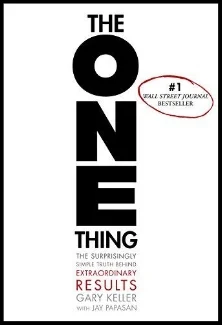
The title of this book sounds like clickbait, do this one thing to be successful, but this book is actually filled with an immense amount of valuable information.
The book provides advice backed by scientific studies, on how to be more productive and effective. It will teach you how to prioritize tasks, manage time, build good habits, use willpower properly, set goals and more. The book also debunks popular myths such as multitasking being great–which it is not–and that being busy is good–also not true.
The authors also provide readers with additional tools and information at their website here. I highly recommend reading this book if you want to be more productive and efficient in both your professional and personal life.
4) “The Third Door” by Alex Banayan

This book is filled with a lot of great business advice, but it’s also an amazing story. As a college student, the author hacked The Price Is Right and used the prize money to fund his quest to learn from the world's most successful people.
The author takes readers on a journey of how he chased Larry King in a grocery store, waited in a bathroom to talk to Tim Ferriss, used his network to meet with Bill Gates, and dozens more of the world's most successful people.
There’s also a lot of great advice from icons such as how Tim Ferriss cold-emails people, how Jessica Alba stays focused on her business, and how Pitbull believes people should always stay an intern.
The book was released this month and is already a national bestseller. The author has a very Tim Ferriss-like vibe and combines business with life advice. The book is less than 300 pages long and is quite addicting to read. Highly recommend it to college students, entrepreneurs, and people interested in business.
3) “Man’s Search for Meaning” by Viktor Frankl

After reading this book I recommended it to several people and every one of them has told me the book was incredible. What makes it such a great read is that the book constantly shifts from being absolutely amazing to drastically depressing and is an honest and truthful story.
Why?
The author retells his life at Auschwitz and several other concentration camps and talks about the horrible conditions he and other prisoners had to endure to survive. From working 10+ hours a day of physical labor in freezing temperatures to constantly walking past dead bodies.
At the same time, this book is a story of the human’s determination to live and Frankl teaches readers several important lessons about how humans can be the worst of people and also the nicest of people. The best part is that Frankl was a psychiatrist so he could really analyze both the prisoners and the guards and get to the center of what makes humans ticks and why they do what they do. From his experience, Frankl discovered life lessons that would have been near impossible to find anywhere else.
2) “Extreme Ownership” by Willink & Babin

“Extreme Ownership” was initially released as a leadership and management guide to help corporate leaders, but this book is so much more than that. The lessons learned from this book can be applied to almost every aspect of life.
For example, the title of the book refers to a trait that Willink and Babin believe all great leaders possess–the ability to go above and beyond by taking extreme ownership and responsibility of the situation.
People that take extreme ownership don’t go around blaming others for negative outcomes, they ask themselves what they could have done to prevent things from going bad or think about what they’ll do from now on to prevent the same negative event from happening in the future.
For instance, instead of blaming an employee for always being late with their work, perhaps you should train the employee better. If your wife calls you and says she forgot to pick up the kids from school, don’t yell at her and call her dumb–that doesn’t help anyone nor does it help the situation. Instead, teach your wife how to set reminders on her phone or teach her to write out her schedule the day before so she remembers.
If you’re a manager or leader then this book should be required reading for you. And even if you aren’t, there are a lot of great life lessons people can learn from reading this fantastic book.
If you’re interested in leadership, management, and lessons from war, check out Jocko’s podcast here.
Honorable mentions:
These are books that I’d highly recommend reading when you have some free time. Although they didn’t make it into the top five, these books are still spectacular and you can learn a ton from reading them.
Learn more about the books here:
Get the books here:
1) “12 Rules for Life” by Jordan Peterson

Every now and then you read a book that literally changes your life, for me, this is that book.
It’s hard to start talking about “12 Rules for Life” because so many aspects of this book are incredible. The book pulls interesting lessons from psychology, philosophy, anthropology, and sociology. It also talks about how religion, literature, and Disney movies have similar life lessons and how each one can teach people about the proper way to live a good life.
Nothing I write can do the book justice, but I will attempt to convey its main message.
Life is suffering. It is. There’s that old saying that the only thing guaranteed in life is death and taxes, but there will also be a lot of pain and suffering. So what can you do? Why is life worth living?
This leads people to believe in nihilism. People of this mindset believe life is pointless so nothing matters and they might as well commit suicide, take out their anger at the world through murder or other crimes, or just live life with no goal because it doesn’t matter.
Peterson argues that this is a horrible, horrible way of thinking and living life. It is the easy path to self-destruction and atrocities. Just because life is hard, it doesn’t mean we should get rid of it all together.
Instead, since life is hard, let’s try to make ourselves as strong as possible and as competent as possible to deal with the challenges life throws our way.
To do so, Peterson teaches readers how to stand up for themselves, how to take care of themselves and others, and several other lessons that teach people how to be a better person overall. If you want to change your life for the better, read this book.
Peterson also has a YouTube channel where you can watch his college lectures for free. He has over 1.2 million subscribers and also puts his interviews on his channel here.
If you enjoyed this article, consider supporting our site or signing up for our monthly newsletter. Thank you!
Reader freebies:

"The Third Door" by Alex Banayan
Pages: 320
For: Entrepreneurs, college students, people who like inspirational stories, Ferriss fans
Lesson: Learn how the world's most successful people launched their careers
Summary:
“The Third Door: The Wild Quest to Uncover How the World's Most Successful People Launched Their Careers” by Alex Banayan, takes readers on an unprecedented adventure as the author travels around to find legendary icons and discover their secrets of how they broke through and launched their careers.
The author takes readers on a journey of how he chased Larry King in a grocery store, waited in a bathroom to talk to Tim Ferriss, used his network to meet with Bill Gates, and dozens more of the world's most successful people.
Banayan’s story begins with hacking The Price Is Right as a college student and using the prize money to fund his quest to learn from the world's most successful people. Since then, Banayan has been named to Forbes' 30 Under 30 list and Business Insider's Most Powerful People Under 30.
He is now an acclaimed keynote speaker and has presented the Third Door framework to business conferences and corporate leadership teams around the world, including Apple, Nike, Harvard, and others.

Alex Banayan, author of "The Third Door."
Lessons:
1) The Proper Way Cold Call/Email
“I continued emailing Ferriss’ assistant, hoping to get an answer. Business books claimed persistence is the key to success, so I kept writing email after email, sending a total of thirty-one messages. When brief emails didn’t get a response, I sent a nine-paragraph message...But no matter how thoughtfully I tried to word my messages, they fell flat.”
To seek out advice from Tim Ferriss, Alex Banayan emailed Ferriss’ assistant several times but received no response for weeks. Banayan decided he would try to meet Ferriss in person by attending a conference where Ferriss was scheduled to give a speech.
To get the best chance of speaking with Ferriss in person, Banayan looked for the nearest location near the stage, which unfortunately turned out to be the men’s bathroom. Banayan crouched next to the toilet for thirty minutes until he heard applause. Banayan then opened the bathroom door and saw Tim Ferriss right in front of him.
Banayan told Ferriss about his mission of interviewing successful icons and asking them about their journey and Ferriss said it sounded great and he would get back to him in a few days. However, several weeks passed and Banayan hadn’t received any email from Ferriss.
As mentioned in the quote above, Banayan didn’t give up and sent a total of 31 emails, both short and long emails, but none of it worked. Banayan received an email from one of Ferriss’ assistants saying Tim wouldn’t be doing the interview anytime soon, if at all.
But Banayan still didn’t quit and kept emailing Ferriss and his assistants. Then one day, out of the blue, Banayan got an email saying Ferriss was free to do an interview the next day. Much later in life, Banayan learned he had gotten the interview not because of his persistence, but because become an annoyance to Ferriss.
During the phone interview, Ferriss gave subtle hints to Banayan about the fine line between being persistent and being a hassle. Ferriss advised Banayan to keep emails short, avoid sending six emails a week and to put the question right in the email.
He also said to not use phrases such as “You’ll love this because…” and “Thanks in advance!” because the former is superlative, how could you know what someone loves when you don’t know them, and the latter phrase is annoying and entitled.
Instead, use Ferriss’ cold-emailing template:
“Dear So-and-So,
I know you’re really busy and that you get a lot of emails, so this will only take sixty seconds to read.
[Here is where you say who you are: add one or two lines that establish your credibility.]
[Here is where you ask your very specific question.]
I totally understand if you’re too busy to respond, but even a one- or two-line reply would really make my day.
All the best,
Tim”
2) Focus on Your Path, Not Others
“You’re born into the family you’re born into and you’re born into the circumstances you’re born into. So you just have to take what you can from where you’re at and not compare yourself to other people. You have to look at your path and know that whatever got you there, and where you’re going, is unique to you.”
The quote above comes from Jessica Alba–the actress and businesswoman and who started the Honest Company which was recently valued at $1 billion. Alba emphasizes the importance of focusing on your personal path and not comparing yourself to others.
Alba says that it’s easy to get distracted in life and spent time looking at other people, but doing so will delay your chances of getting to your own finish line. This is also important because not everyone is running the same race.
Alba says that if people could choose, almost everyone would want to be a white male in America born into a family that cares about his education. However, that is simply not the case. Alba says that women have a harder time in running the race to becoming successful, but in the end, having faced more obstacles she believes women become skilled in dealing with unfair situations.
There’s a lot of things in life that one cannot control, but one must still work with what they have to the best of their abilities. Spending time yelling that life is unfair or that the person next to you had an easier road to success is a waste of time and energy because, in the end, those things won’t help you move forward with your own journey.

As a college student, Alex Banayan went on The Price Is Right game show and won the grand prize. He used the money to fund his trip to meet successful people around the world.
3) Always Be An Intern
“Buffett is famous for being a long-term value investor and this story shows he treated his career the same way. He could’ve gotten a high-paying job right out of school and made far more money in the short term. But by offering to work for free under Graham, he set himself up to make much more in the long term. Instead of trying to get paid as much as possible in dollars, Buffett chose to get paid in mentorship, expertise, and connections. ”
Decades before Warren Buffett became the legendary investor whose net worth totaled $83 billion, he was a young MBA student who had just graduated from Columbia University. Instead of pursuing a high-paying corporate job, Buffett offered Benjamin Graham, a Wall Street legend, that he’d work for Graham for free.
Graham said no, and Buffett got a job as a stockbroker elsewhere, but Buffett continued to write letters to Graham. Eventually, Graham said he’d give Buffett a job, and Buffett took his wife and child to New York to start the job without even asking if there was a salary.
As the quote says, Buffett is a master when it comes to long-term value and he knew that working under Graham would provide a lot more value in the long run than working at a high-paying corporate job.
Armando Christian Pérez, better known by his rap name Pitbull, is also a big believer in being an intern. As a young artist, Pitbull sought mentorship from Luther Campbell–a successful rapper and entrepreneur.
Even after winning a Grammy and having a number one record, Pitbull remained an intern. Pitbull tells Banayan that he asked Carlos Slim Jr.–the son of prominent businessmen Carlos Slim whose net worth is $59 billion–if he could intern him.
At first, the businessman thought Pitbull was joking, but Pitbull said he wasn’t kidding and he would do whatever he needed, “I don’t have a problem being down here for a month, getting doughnuts, making coffee, I don’t care,” said Pitbull.
Banayan writes that the goal to continued success is to humble yourself enough to learn, even when you’re at the top of the game. “If you want to continue being Mufasa, at the same time you have to keep being Simba” (Pg 237).
Bonus: Use The Third Door Method
The title of Banayan’s book is a metaphor for achieving success in life or business by taking craving your own path. Banayan says that success is like a nightclub and there are always three ways get inside. The First Door is the main entrance where the vast majority of people wait in line, hoping to get in. Then there’s the Second Door. This is the VIP entrance where billionaires, celebrities and the like slip through.
But there is always the Third Door. Banayan says “It’s the entrance where you have to jump out of line, run down the alley, bang on the dor a hundred times, climb over the dumpster, crack open the window, sneak through the kitchen” and get in whatever way you can.
The Third Door is when people decide to take a different path in life and try multiple methods to get inside. Banayan’s book is filled with people who took the Third Door.
Larry King for example, didn’t go to college or even have a resume, but he knew he wanted to be a radio host. So he literally went to radio stations around Miami and knocked on their doors asking for a job. Eventually, a small station gave offered King a job and he jumped on it.
When Banayan was looking for a advice from a successful entrepreneur, he cold-emailed Elliott Bisnow and Bisnow said to meet him in-person. The only problem was that the meeting date was that to make the meeting, Banayan would miss his accounting final. Banayan decided it was worth the risk and Bisnow eventually became Banayan’s mentor and introduced him to several successful figures.
Banayan also talks about how he got to shadow Tony Hsieh, the CEO of Zappos, simply by asking Hsieh at a party. While shadowing Hsieh, one of the employees at Zappos who had worked there for several years told Banayan that he was lucky to have the chance to shadow their CEO. When Banayan asked Hsieh why he doesn’t let Zappos employees shadow him, Hsieh looked blankly and said: “I’d be happy to–but no one ever asks.”
“Everyone has the power to make little choices that can alter their lives forever. You can either choose to follow inertia and continue waiting in line for the First Door, or you can choose to jump out of line, run down the alley, and take the Third Door. We all have that choice.
”
Conclusion:
“The Third Door” (2018) is an absolutely spectacular book. My last post about slave labor camps showed how horrible life and people can be, but this book is the exact opposite. Banayan’s adventure is an incredible story of how he managed to talk and meet with countless successful icons.
To me, this book was like a drug. I stayed up till 2 am reading it the first day, went to sleep, and finished the book that morning. It is filled with a ton of helpful business and life advice, but it’s also a classic hero story of a young kid going on a scary yet rewarding adventure and then returning to share their story with others.
The book is about 300 pages and is densely packed with useful nuggets of valuable information. I’m calling it now, Alex Banayan will likely be the next Tim Ferriss. Now read this book, go out into the world and use the Third Door method!
Rating: 5/5 stars
If you’re interested in reading the book, click here or on the image below!
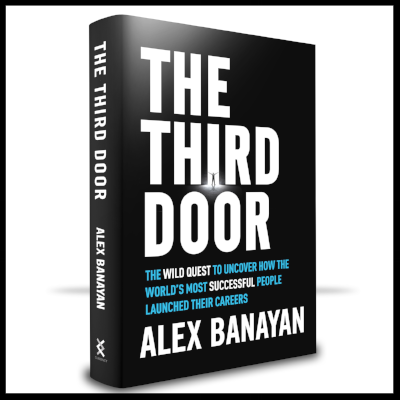
- Book: “The Third Door" by Alex Banayan
- Pages: 320
- For: Entrepreneurs, college students, people who like inspirational stories, Ferriss fans
- Lesson: Learn how the world's most successful people launched their careers
If you enjoyed "The Third Door" you'll likely also be a fan of "The 4-Hour Workweek" by Tim Ferriss. Click here or on the image below to get the book!

If you enjoyed this article, consider supporting our site or signing up for our monthly newsletter. Thank you!
Reader freebies:

5 Lessons From 3 Books About Slave Labor Camps
Learn 5 life lessons gathered from reading three books about slave labor camps
This article talks about “Man’s Search for Meaning,” “The Gulag Archipelago” and “The Forgotten Highlander”
Summary:
Humans are capable of doing incredible things. They can create new forms of medicine and invent useful tools to make life easier. However, there is also a darker side to people. They are also capable of doing horrible things such acting inhumane and forcing people into slave labor camps.
Having read three books about forced labor camps: “Man’s Search for Meaning” by Viktor Frankl, “The Gulag Archipelago” by Aleksander Solzhenitsyn and “The Forgotten Highlander” by Alistair Urquhart–I’ve noticed similar themes and lessons among these books.
For those unfamiliar with these books, here is a quick summary:
"Man’s Search for Meaning" by Viktor Frankl:

Frankl was a Jewish psychiatrist during World War II and was sent to four different concentration camps including the infamous Auschwitz. During his time in the camps, he observed prisoners and himself, to reflect on what made some people mentally tough and why some people survived while others died or committed suicide.
In the camps, he was forced to assess whether his own life still had any meaning. Prisoners worked over ten hours a day of physical labor in freezing temperatures with not much more than a shirt, pants, and slippers. Most days they were given only one bowl of soup and a piece of bread.
"The Gulag Archipelago" by Aleksander Solzhenitsyn:

Solzhenitsyn was a decorated captain in the Soviet Army during World War II, but in 1945, he was sent to prison for criticizing Stalin in private letters. While in prison, he observed the prisoners, guards, and everyone in between to discover how everyone played a role in contributing to the creation of Soviet prison camps.
This book is a non-fictional account about the Soviet forced labor camps that led to the imprisonment, brutalization and very often murder of tens of millions of innocent Soviet citizens by their own Government.
"The Forgotten Highlander" by Alistair Urquhart:

Born in Scotland, Alistair was drafted into the army during WWII and shipped to the British outpost of Singapore. The Japanese soon invaded the colony and the British soldiers became prisoners of war (POWs). As a POW, Alistair was forced into slave labor on the notorious “Death Railway”, working up to 18 hours a day and while being fed only one cup of rice a day.
He worked barefoot with barely any clothes and suffered from malaria, dysentery, and tropical ulcers (Google at your own discretion). He often worked seven days a week from dawn to dusk and experienced several beatings and even a sexual advancement from a guard–that he fought off. Miraculously, Alistair survived 750 days of labor in the jungle.
Here are 5 lessons I’ve learned from reading these books:
5) Humans Can Survive In horrible Conditions
“Like nearly all the camp inmates I was suffering from edema. My legs were so swollen and the skin on them so tightly stretched that I could scarcely bend my knees. I had to leave my shoes unlaced in order to make them fit my swollen feet. There would not have been space for socks even if I had had any. So my partly bare feet were always wet and my shoes always full of snow.”
The quote above comes from Viktor Frankl as he explains life at a Nazi concentration camp. He suffered from edema, which caused his tissues to swell up and made moving around torture. His feet were uncovered as he walked through snow and didn’t have a pair of socks–not that he could wear them anyway because his shoes were already tight due to his swollen feet. With barely any clothes or gear, he and others were still forced to mine the frozen ground for ten or more hours a day.
The only nutrition prisoners were given was a bowl of very watery soup once daily and a small piece of bread. Sometimes they were given special extra allowances consisting of a piece of cheese or a slice of poor quality sausage.
Life wasn’t much better for Alistair Urquhart at the Japanese labor camps. He was given only a cup of rice and water for each meal. From constantly working in the jungle with no shoes, he developed tropical ulcers. There was a doctor in his camp but he didn’t have any medicine so the best advice he gave Urquhart was to put maggots on his foot to eat the dead skin.
As crazy as it sounds, it’s true:
“I left the medical hut, shaking my head, still wondering if I were being had. Letting maggots eat my skin did not sound particularly appetizing but I was willing to try anything. I knew I had to stop the rot that was devouring my legs.””
And the craziest part is it actually worked. However, Urquhart said that even years later he would sometimes get the sensation of maggots eating his skin. An unfortunate side effect, but he did live to be 97 years old.

Alistair Urquhart, author of "The Forgotten Highlander."
4) Survival Requires The Right Mindset
“‘It’s easy for these men to give up and when they lose hope the fight just seeps right out of them. On countless occasions I have seen two men with the same symptoms and same physical state, and one will die and one will make it. I can only put that down to sheer willpower.’”
Urquhart writes that he could tell which men would die by simply looking at their faces. Those with a lost gaze in their eyes didn't last long. It was in that moment that Urquhart made the decision that he would not stop fighting–even if it required him to put maggots on his feet to survive.
Aleksandr Solzhenitsyn learned a similar lesson.
“And the conclusion is: Survive to reach it! Survive! At any price!... This is the great fork of camp life. From this point the roads go to the right and to the left. One of them will rise and the other will descend. If you go to the right–you lose your life, and if you go to the left–you lose your conscience. ”
Solzhenitsyn notes that prisoners had to make a decision, do whatever it takes to survive or fall short and die. This didn’t mean kill other people to survive, but rather it was a change in mindset.
In his book, Solzhenitsyn writes that prisoners were allowed to take baths–with only cold water–but then had to endure a trip back to camp in subzero temperatures. Yet, none of them got pneumonia, in fact, they didn’t even catch a cold.
However, when one of those prisoners was finally released and he could live in a warm home and take warm baths, he got ill the first month. The mindset of surviving at any price was not there anymore. Changing one's mindset can have an incredible impact on the rest of the body.

Aleksandr Solzhenitsyn, author of "The Gulag Archipelago."
3) Slave Labor–You Get What You Pay For
“We made constant attempts at sabotage. Men whispered orders to impair the construction of the bridge wherever possible. Some charged with making up concrete mixtures deliberately added too much sand or not enough, which would later have disastrous effects. ”
Evil leaders have been under the assumption that slave labor is a great way to accomplish projects at little to no costs, but this is far from the truth. As Urquhart writes in his book, the prisoners did everything in their power to delay or destroy the project. They even collected termites and white ants and deposited them into the grooves of the logs that were meant to hold up the bridge. As a result, construction projects were often delayed or if it were finished, the quality of the project was extremely poor and didn't last long.
A similar conclusion can be found in the Soviet labor camps.
“All they were on the lookout for was ways to spoil their footgear–and not go out to work; how to wreck a crane, to buckle a wheel, to break a spade, to sink a pail–anything for a pretext to sit down and smoke. ”
Just as in the Japanese camps, workers would constantly find ways to sabotage the project so they didn’t have to work. Solzhenitsyn adds that the material was so poor, people could break bricks with their bare hands.
The prisoners did everything possible to quietly foil the project so that they wouldn’t have to work–after all, they weren’t being paid to work so they didn’t have any incentive to do so.
The prisoners were also constantly stealing project materials. Solzhenitsyn concludes the chapter by writing that the labor camps were not only ineffective, but they ended up costing the country more than if they had simply paid workers a fair wage.
2) Life Is Unfair
- Viktor Frankl worked at a hospital as a psychiatrist, before being arrested and sent to four different concentration camps over the years.
- Aleksander Solzhenitsyn was a decorated captain in the Soviet Army during World War II before he was arrested and sent to a labor camp for criticizing Stalin in private letters.
- Alistair Urquhart was drafted into the army during WWII and shipped to the British outpost of Singapore before he was arrested by the Japanese and sent to one of their labor camps.
None of these men were “evil” or actual criminals. They were simply in the wrong place at the wrong time. None of them deserved to suffer in the labor camps. None of them should have worked 16 hours a day of physical labor on barely any food or water in horrific conditions.
Life is simply unfair at times. Viktor Frankl does, however, offer a piece of advice should anyone find themselves in a similar situation. He writes that everything can be taken from a person, except their attitude.
“Everything can be taken from a man but one thing: the last of the human freedoms–to choose one’s attitude in any given set of circumstances, to choose one’s own way...It is this spiritual freedom–which cannot be taken away–that makes life meaningful and purposeful.”
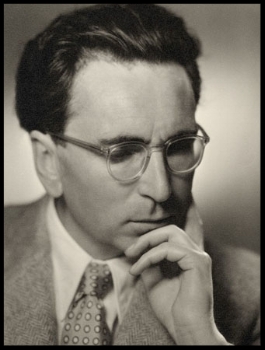
Viktor Frankl, author of "Man's Search for Meaning."
1) Man is Capable of being a Saint & a Swine
“In the concentration camps...we watched and witnessed some of our comrades behave like swine while others behaved like saints. Man has both potentialities within himself, which one is actualized depends on decisions but not on conditions. ”
That is a heavy truth to swallow. Even in the concentration camps, Frankl noticed some prisoners gave their daily piece of bread to prisoners in dire need of nutrition. He also saw other miracles such as a Nazi doctor buying medical supplies with his own money and smuggling it back into camp to help the Jewish prisoners.
Frankl ends the book by saying that man is capable of inventing the gas chambers of Auschwitz, but man is also the same being that entered those gas chambers with the Lord’s prayer on their lips.
Solzhenitsyn came to a similar conclusion in his book.
“Gradually it was disclosed to me that the line separating good and evil passes not through states, nor between classes, nor between political parties either–but right through every human heart–and through all human hearts. ”
Solzhenitsyn spent countless hours thinking in prison–when he wasn’t being forced to work, prisoners sat in their cells and had nothing but their hands and their mind–and came upon the realization that good and evil exists inside every person, but they must make the decision within themselves.
Inside every person is the struggle between good and evil, and although it is impossible to expel evil from the word, the next best thing is to constrict it within each person. That is a responsibility that falls upon each and every one of us.
Thank you for reading my article! If you're interested in getting any of the books mentioned, click below:
If you enjoyed this article, consider supporting our site or signing up for our monthly newsletter. Thank you!
Reader freebies:

"Total Recall" by Arnold Schwarzenegger
Pages: 646
For: People looking for self-improvement tips, people who love true inspiring stories
Lesson: Learn about Schwarzenegger's incredible life journey and how he became successful in three different careers
Summary:
“Total Recall: My Unbelievably True Life Story” by Arnold Schwarzenegger is an autobiography that covers Schwarzenegger’s three careers and his personal life through the decades.
Schwarzenegger served as governor of California from 2003 to 2011. Before that, he had a long career, starring in such films as the Terminator series; Stay Hungry; Twins; Predator; and Junior. His first book, Arnold: The Education of a Bodybuilder, was a bestseller when published in 1977 and, along with his Encyclopedia of Modern Bodybuilding, has never been out of print since.
The book begins in Austria, where Schwarzenegger was born, and explains why he dreamed of moving to America. By the time he was twenty-one, Schwarzenegger was living in Los Angeles and had been crowned Mr. Universe. Within five years, Schwarzenegger became the greatest bodybuilder in the world and by his thirties, he was a millionaire from his business enterprises in real estate, landscaping, and bodybuilding.
Schwarzenegger then went on to become the world’s biggest movie star, the husband of Maria Shriver of the Kennedy family. After his film career, Schwarzenegger was elected governor of California, the seventh largest economy in the world. He led the state through a budget crisis and natural disasters.
Schwarzenegger raised four fantastic children and in the wake of a scandal he brought upon himself, he tried to keep his family together. This book covers all that and more.
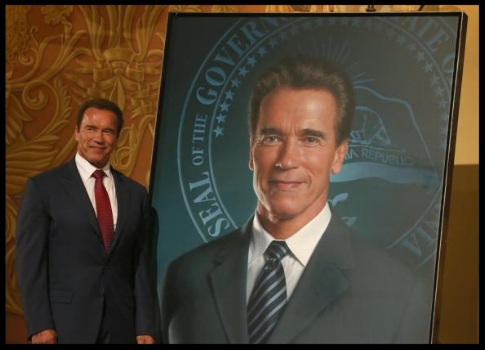
Former California Gov. Arnold Schwarzenegger poses next to his portrait. (Photo by Justin Sullivan/Getty Images)
Lessons:
1) Reps, Reps, Reps
“Writing out my goals became second nature, and so did the conviction that there are no shortcuts. It took hundreds and even thousands of repetitions for me to learn to hit a great three-quarter back pose, deliver a punch line, dance the tango in True Lies, paint a beautiful birthday card, and say “I’ll be back” just the right way. ”
Of the main themes in Schwarzenegger’s book is the importance of reps or repetition. No matter what task or career one chooses, to do an excellent job, one must practice, practice, and practice some more.
Whenever Arnold went to the gym, he would write out his workouts for the day and how many reps had to be performed. After completing each exercise, he marked it with an X to show that it was done. At the end of his workout, he would feel a sense of accomplishment because he would look at the chalkboard or his journal and see it filled with X's.
When Arnold was tasked with giving his first address to the United Nations, he wrote down a tally mark for each time he rehearsed the speech. Just for that one speech, he practiced over 50 times. In his book, Arnold writes that “Whether you’re doing a bicep curl in a chilly gym or talking to world leaders, there are no shortcuts–everything is reps, reps, reps” (page 614).
If someone wants to be a good skier, they have to get out on the slopes and practice skiing. If they want to be a good chess player, they have to play thousands of games. The same goes for acting. Arnold writes that just to film one scene, the crew spent half the day rehearsing. Getting better at anything in life requires reps, reps, reps.

It took Arnold hundreds of reps to get the line "I'll be back" just right.
2) Care For The Body And The Mind
“Some of the earliest advice that stuck in my head was Fredi Gerstl channeling Plato. “The Greeks started the Olympics, but they also gave us the great philosophers,” he would say. “You have to build the ultimate physical machine but also the ultimate of the mind.””
Taking care of the body came easy for Schwarzenegger, but he also wanted to train and grow his mind. Arnold writes that he became like a sponge and absorbed everything around him. “The world became my university, I developed such a need to learn and read and take it all in” (page 617).
And the same is true for people in the opposite setting. If a person has a high level of intelligence, it would benefit them to also exercise the body every day. Arnold notes that both Clint Eastwood–the famous actor and director, and Dmitry Medvedev–the former President of Russia, worked out every day.
Even the Pope, specifically John Paul II, was a big believer in training the mind and the body. Arnold writes that the Pope was known to wake up at five in the morning and did "two hundred push-ups and three hundred sit-ups, all before breakfast and before his workday began” (page 618).
The Pope was a skier too, and he was in his sixties. If he can find time to exercise, so can everyone.

Arnold advises readers to train the body and the mind.
3) The Day Has 24 Hours, Use Them All
“I explained how as a student I’d trained five hours a day, gone to acting classes four hours a day, worked in construction several hours a day, and gone to college and done my homework.”
Arnold Schwarzenegger is a big believer in working hard and spending each hour of the day wisely. While training for bodybuilding competitions, Schwarzenegger worked construction and ran side businesses such as buying real estate and selling fitness handbooks. As an actor, Schwarzenegger took acting and speech classes while continuing his strict workout routine.
This was a man that had an insatiable appetite for success. And once a person reaches a high level of success, they should move on to do it again instead of resting on their laurels.
Schwarzenegger writes that too many accomplished people just coast once they reach a certain level of success. He believes there is always more to be done. As Arnold’s father used to tell him, “Be useful. Do something.”
Schwarzenegger notes that Ted Turner, the founder of CNN, went on to organize the Goodwill Games. Bono, who started out as a musician, founded RED to combat AIDS. Anthony Quinn became a famous movie star but wanted to do more, so he became a painter whose canvases sold for hundreds of thousands of dollars. There's always more that can be done in life.
“You’ll have plenty of time to rest when you’re in the grave. Live a risky life and a spicy life and like Eleanor Roosevelt said, every day do something that scares you. We should all stay hungry.”
Conclusion:
“Total Recall” (2013) is an incredible story about Arnold Schwarzenegger’s life that covers both the struggles and triumphs he faced in bodybuilding, acting and politics. It’s a great American-dream story that shows the true path to becoming successful and what is needed to get there.
Schwarzenegger is an unbelievable person–he achieved success in not just one field, but three. A lot can be learned about his drive and desire to achieve from reading this book. Readers will learn several important lessons such as the need to write down your goals, practice often, be self-disciplined, don’t blame your parents, and train both the mind and body.
And although Schwarzenegger may seem like a machine, he is actually human, and a humble one at that. In the book, he writes about his affair–why he did it and what he learned from his mistake.
Overall, this book gives a fantastic overview of Schwarzenegger’s life: It covers how he was raised, why the wanted to go to America, why he fell in love with bodybuilding, why he wanted to become an actor, and why he went into politics.
Arnold doesn’t hide anything and talks about both the ups and downs during his life journey. He also includes a chapter that highlights his rules for success. And even though he isn’t perfect and had an affair, he is an awesome human being and readers will learn a lot by reading his book.
Now go read this book. Hasta la vista, baby.
Rating: 5/5 stars
If you’re interested in reading the book, click here or on the image below!

- Book: “Total Recall" by Arnold Schwarzenegger
- Pages: 646
- For: People looking for self-improvement tips, people who love true inspiring stories
- Lesson: Learn about Schwarzenegger's incredible life journey and how he became successful in three different careers
If you're looking to get in shape or learn about Arnold's diet during his bodybuilding career, I'd recommend reading "The New Encyclopedia of Modern Bodybuilding."

If you enjoyed this article, consider supporting our site or signing up for our monthly newsletter. Thank you!
Reader freebies:

"Wild At Heart" by John Eldredge
Pages: 221
For: Young men, Jordan Peterson fans, Christian men, men that are bored with life
Lesson: Learn about what is needed to grow from a boy to a man and recover your masculine role
Summary:
“Wild at Heart” by John Eldredge is a book aimed to help men rediscover their masculine self with guidance from the Bible. The book also invites women to discover the secret of a man’s soul and to delight in the strength and wildness men were created to offer.
John Eldredge is a bestselling author, a counselor, and a teacher. He is also president of Ransomed Heart, a ministry devoted to helping people discover the heart of God, recover their own hearts in God’s love, and learn to live in God’s kingdom.
This book is similar to Jordan Peterson’s “12 Rules for Life” since both books examine biblical scripture and extract life lessons from the Bible that can be applied to modern-day situations. The book is also similar to “No More Mr. Nice Guy” by Dr. Glover because it encourages men to be good guys instead of nice guys.

Lessons:
1) The 3 Things That Men Desire
“There are three desires I find written so deeply into my heart I know now I can no longer disregard them without losing my soul...I search the pages of literature, I listen carefully to many, many men, and I am convinced these desires are universal, a clue into masculinity itself. They may be misplaced, forgotten, or misdirected, but in the heart of every man is a desperate desire for a battle to fight, an adventure to live, and a beauty to rescue.”
Eldredge writes that the desire for a battle to fight, an adventure to live and a beauty to rescue, are the three things that men desire most.
He argues that aggression is part of the masculine design and that men are hardwired for it. In the bible it even says that “the LORD is a warrior; the LORD is his name” (Ex. 15:3). Even as kids, boys want to play war and attack something–whether it be another person or an object like a ball.
The desire to battle can also be found in books and movies. In almost every famous film, the main character has to fight something or someone to become a hero (ex. Braveheart, Top Gun, Gladiator).
The desire for an adventure to live is also part of being a hero in one’s own life. “Adventure requires something of us, puts us to the test,” says the author. In every James Bond and Indiana Jones film, the main character goes on an adventure that tests them as a man and makes them stronger afterward. Men are made to go into the unknown and conquer it.
A man’s last desire is to find a beauty to rescue. Romeo has Juliet, King Arthur had Guinevere and Robin Hood had Maid Marian.
Eldredge writes that for a beautiful woman, men will storm the castle, slay the dragon–or in modern times, hit a game-winning shot. “A man wants to be the hero to the beauty. Young men going off to war carry a photo of their sweetheart in their wallet” writes the author. What a man really wants, Eldredge says, is to be a hero to the person he loves.
2) Heal Your Wounds
“There are no formulas with God. The way in which God heals our wound is a deeply personal process. He is a person and he insists on working personally. For some, it comes in a moment of divine touch. For others, it takes place over time and through the help of another, maybe several others.”
No man will go through life without facing any battles, whether it be physical or spiritual. Often times these battles will result in some kind of wounds. These wounds can take a variety of forms such as anger issues, rejection, breakups, or failure.
Many men carry deep wounds, but no one sees it because the cut is spiritual and men will bury it deep inside and never take it out. However, Eldredge argues that the only way to heal the wound is to take it out, or better yet enter it.
When it comes to healing the wound, Eldredge writes that Christ never used the same method twice. In the bible, he spits on the ground to make mud and heals the person by putting the mud on their eyes, to another person Christ simply speaks and the person is healed, and to another Christ touches him and he is healed. Every man carries a wound that is unique to them and they must find their own way to heal it. Once healed, the man will be stronger than ever before.
3) Stop Sabotaging Yourself
“Sabotage also happens when we give our strength away. Taking a bribe, letting yourself be bought off, accepting flattery in exchange for some sort of loyalty, is sabotage. Refusing to confront an issue because if you keep quiet you’ll get a promotion or be made an elder or keep your job corrupts you down deep.”
Eldredge says that within each person, there is a civil war going on. Just as God fights the devil, man must fight the traitor within them that tells them to do the wrong things. As the quote says, taking a bribe or refusing to confront an issue are forms of sabotage that chip away at a man’s masculinity.
Instead, men should choose to live out their strength and purpose the right decision. Men should not run away from their problems–they should face them head-on. Men do not let people take advantage of them–they stand up for themselves and those that cannot defend themselves.
As mentioned earlier, men have a desire to go to battle. However, some of the toughest battles a man will face, are the battles inside of them. Go to battle with the things that are trying to sabotage your soul and defeat them. That is the role of a masculine man.
Conclusion:
Before reading this book, I had never heard of John Eldredge or any of his other work. However, I decided to take a chance–no risk, no reward I thought. It was a good choice. The book is about 200 pages and is easy to read.
There are plenty of insightful lessons that readers will learn from reading this book, such as the three things men desire, the three things women desire, the role of adventure in life, the role that men and women play in each other’s lives, and what men need to do to feel alive.
If you’re a fan of “12 Rules for Life “ by Peterson or “No More Mr. Nice Guy” by Dr. Glover, I highly recommend reading this book. I would also recommend this book to young adults and men that are of Christian/Catholic faith. Even if you aren’t religious, you can still view the Bible as literature and learn several lessons from Eldredge about the masculinity and the role men play in life.
Rating: 4/5 stars
If you’re interested in reading the book, click here or on the image below!
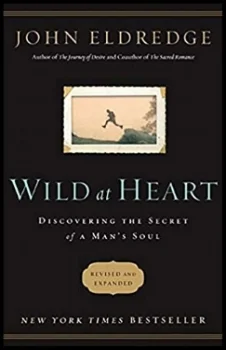
Book: “Wild at Heart” by John Eldredge
Pages: 221
For: Young men, Jordan Peterson fans, Christian men, men that are bored with life
Lesson: Learn what is needed to grow from a boy to a man and recover your masculine role
If you enjoyed this article, consider supporting our site or signing up for our monthly newsletter. Thank you!
Reader freebies:

5 Must-Read Self-Development Books
- Self-development is one of my favorite genres to read
- In this article I list my 5 must-read self-development books.
Overview:
Having read 35 books last year and about 30 books the year before, it’s safe to say I spend a lot of my time reading. The reason for doing so is because I always want to improve and become a better person. It is for this reason that a lot of the books I’ve read are self-development books.
No one is perfect and no one will ever be perfect, but it’s my goal to strive to be better than the person I was yesterday. And I’d like to ask everyone reading this to do the same. If everyone works on making themselves better, we will in time, make the lives of those around us better and maybe even change the world.
If you don’t know which self-development books are worth reading, don’t fret, here is my list of 5 must-read self-development books (this article was originally posted as a guest post on Bookmattic.com website).

5) “The ONE Thing” By Gary Keller & Jay Papasan

When I first heard of this book I hesitated to buy it because of its clickbait sounding title, but then a friend recommended it to me so I decided to get a copy and give it a shot. I’m glad I did. This book provides a lot of value and teaches readers how to be more productive in their career and their personal life.
This book helps readers discover their most important goal and gives them tools for managing time to be as efficient and effective as possible. It also disproves common work-related myths such as multi-tasking and provides a new set of guidelines to follow. At the end of each chapter, the authors restate key information and give actionable insight to readers.
The book is filled with advice, backed by scientific studies. It also teaches how to prioritize tasks, manage time, build good habits, use willpower properly, and goal setting.
The authors also provide readers will additional tools and information at their website here. I highly recommend reading this book if you want to be more productive and improve your quality of life.
“The ONE Thing” book summary & lessons learned can be found here.
4) “No More Mr. Nice Guy” by Dr. Robert Glover

This is another book that I didn’t buy at first because I judged it by its cover, but upon doing research into books on self-development and relationships, this book kept popping up. Given that the book was written by a psychiatrist with a Ph.D., I decided to pull the trigger and order a copy.
It turned out to be the right decision. This book completely opened up my eyes to how the male/female relationship works and why some men try the failed strategy of being nice to attract women.
Dr. Glover explains the traits of ‘Nice Guy Syndrome’ and provides examples of how men can change for the better. Each chapter has a “Breaking Free: Activity” to help men go from a Nice Guy to a good guy. A few of the important lessons readers learn from this book is how to: set boundaries, build meaningful relationships, express their feelings, deal with problems, and accept themselves.
This book provides a treasure trove of information and is less than 200 pages long. It will change your perspective on life and help you become a better person in relationships and beyond.
If you’ve been called a Nice Guy before or are stuck in the friend zone, definitely look into this book.
“No More Mr. Nice Guy” book summary & lessons learned can be found here.
3) “Extreme Ownership” by Jocko Willink & Leif Babin

The title of the book, “Extreme Ownership,” refers to one of the most important things that the authors learned from their 33 years of combined military experience.
They found that the key trait that made great leaders was taking extreme ownership of their job. That meant being responsible for everything related to their mission. These leaders didn’t cast blame or make excuses if something went wrong, they owned it all. This is the mindset leaders must have to lead their team and achieve success.
This book will truly change your perspective on what it means to lead and manage well. And this isn’t only for people at the top of organizations, it will teach management both up and down the chain of command.
Also, by developing yourself as a better leader, you can implement the same lessons to your team or company to take everyone’s performance to the next level. Plus this book has some cool war stories so it’s the perfect mix of war, leadership, and business.
“Extreme Ownership” book summary & lessons learned can be found here.
2) “Make Your Bed” by William McRaven

The author of this book, William McRaven, is also a Navy SEAL and spent almost four decades in the military.
The book is a collection of McRaven’s ten most valuable lessons he learned from Basic Underwater Demolition/SEAL training (BUD/S). This training is often described as one of the most mentally challenging and physically demanding trainings in the world.
McRaven talks about how he applied the lessons he learned from BUD/S to achieve success in his professional and personal life. The book is based on McRaven’s now viral commencement speech at the University of Texas.
At 130 pages, the book is quite short and can be read in under three hours. I highly recommend it if you’re looking for some inspiration or need guidance in life.
“Make Your Bed” book summary & lessons learned can be found here.
1) “12 Rules for Life” by Jordan Peterson

Jordan B. Peterson is a Canadian clinical psychologist, cultural critic, and professor of psychology. He has taught at Harvard and the University of Toronto. Dr. Peterson specializes in personality psychology with a particular interest in the psychology of religious and ideological beliefs.
He has published more than a hundred scientific papers, transforming the modern understanding of personality, while his textbook, Maps of Meaning, revolutionized the psychology of religion.
In his book, 12 Rules for Life, Peterson discusses discipline, courage, and the necessity of clear, truthful thinking in order to live properly within the order and chaos of our lives. The book teaches these lesson by examining psychology, philosophy, personality, religion and personal stories.
This book is long but each chapter is packed with so many gold nuggets that I would still buy it even if it cost $100. Go into this book with an open-mind, take your time reading it to truly absorb the information and highlight or write notes on the text as you read through it.
If I have failed to peak your interest in this book, consider this: for the past three years I’ve been a voracious reader and have read close to a total of 100 books, but I can say without a doubt in my mind, this book is in the top three, if not the best books I’ve ever read. Give it a chance, if you read it and implement its lessons, it will change your life for the better.
“12 Rules for Life” book summary & lessons learned can be found here.
Thank you for reading my article. If you’re interested in getting any of the books on this list, click below!
If you enjoyed this article, consider supporting our site or signing up for our monthly newsletter. Thank you!
Reader freebies:
Enjoying A&B?
Consider donating to keep the site up and running!